



Jewelry that we have available TO BUY can be accessed by clicking HERE
|
|
JEWEL CHAT |
|
|
|
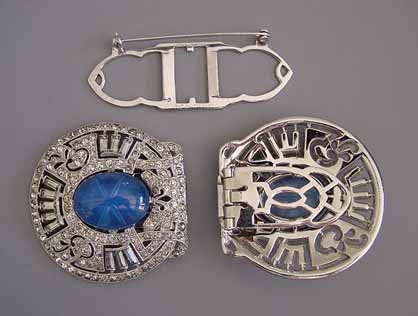
| PIN BACKS |
|
|
|
|
|
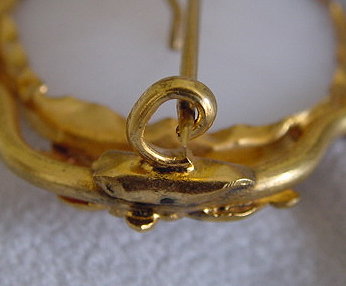
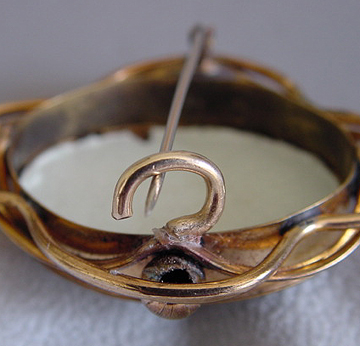
"C" CATCH pin back fastener, |
"C" CATCH pin back fastener, 1800s. |
."C" CATCH pin back fastener, 1800s. |
|
|
|
|
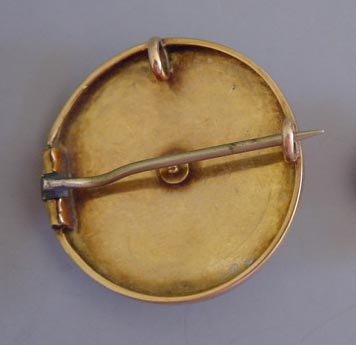
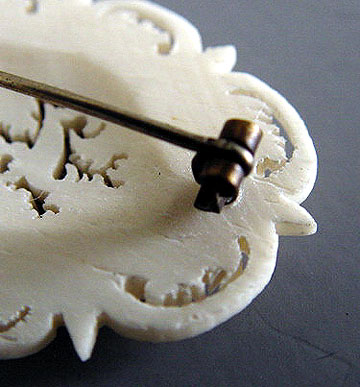
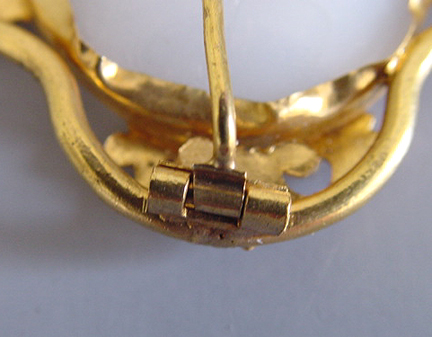

|
Victorian brooch |
Victorian brooch with |
Victorian brooch with |
|
|
|
|
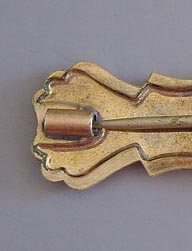
|
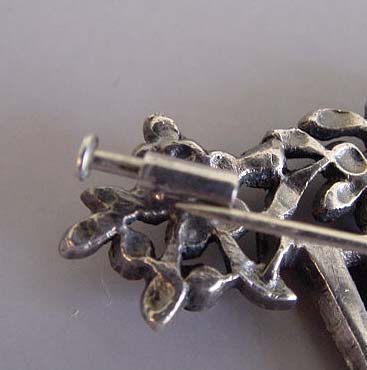
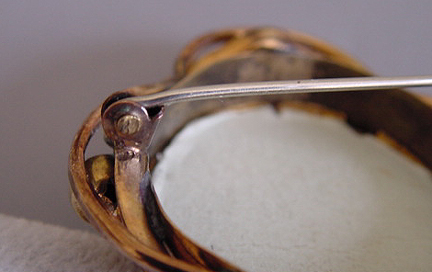
Victorian brooch with a |
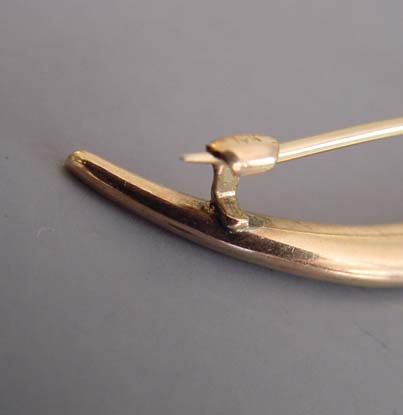
TROMBONE catch patented circa |
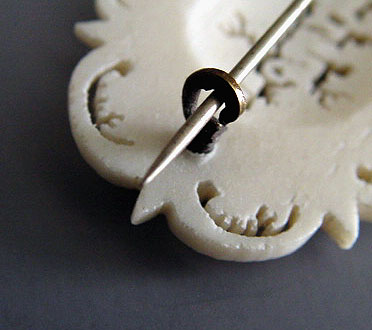
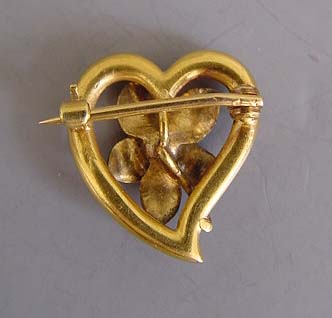
RIVETED HINGE pin back began to be use circa 1900. |
|
|
|
|
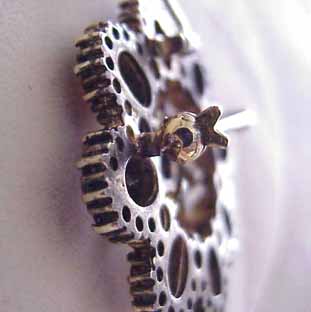

|
ENAMELED |
|
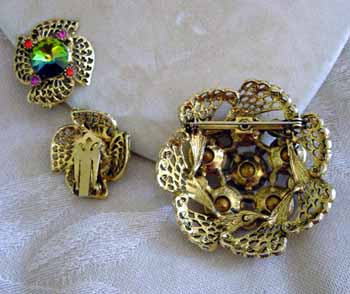
RIVETED BACK brooch. |
|
|
|
|
|
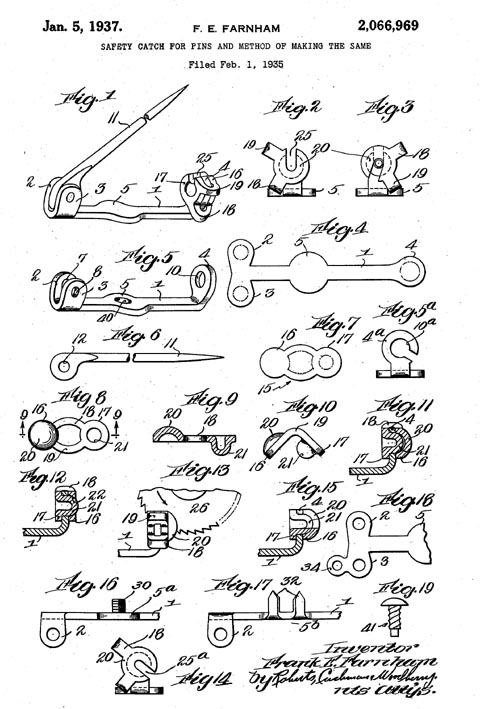
F.E. FARNHAM , 1937 |
One piece pin mechanism with safety catch, similar to that shown in the |
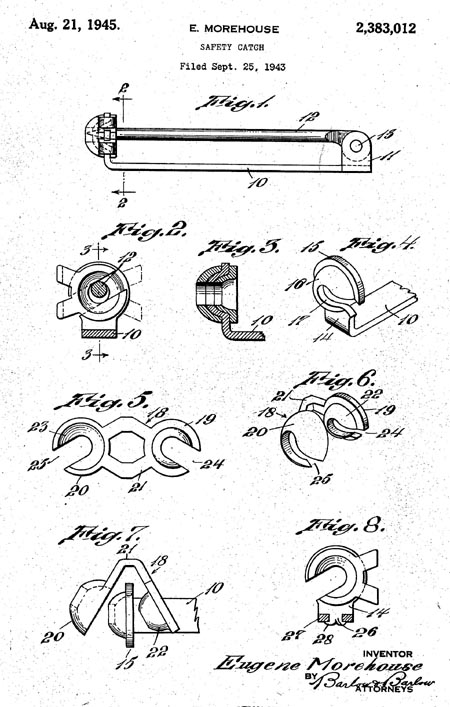
E. Morehouse, 1945 |
|
|
|
|
|
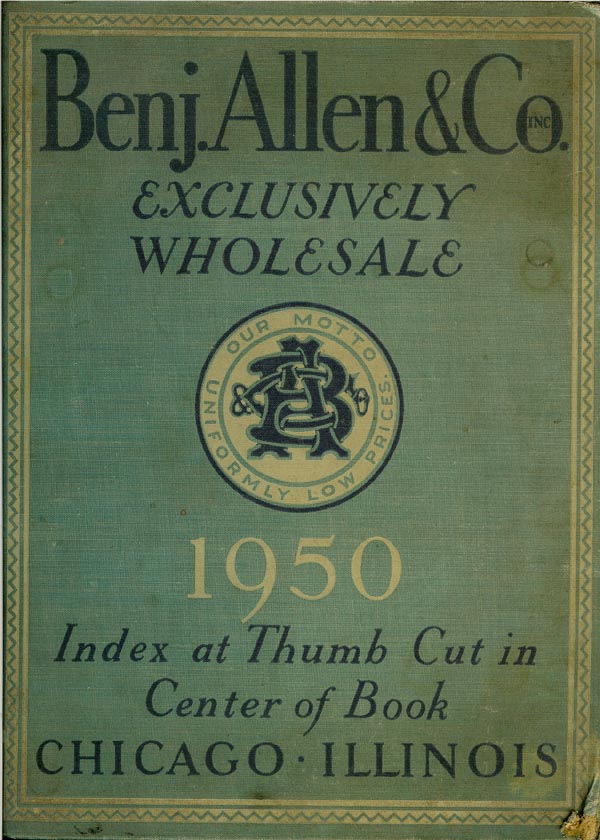
Benj. Allen & Co. Exclusively Wholesale, |
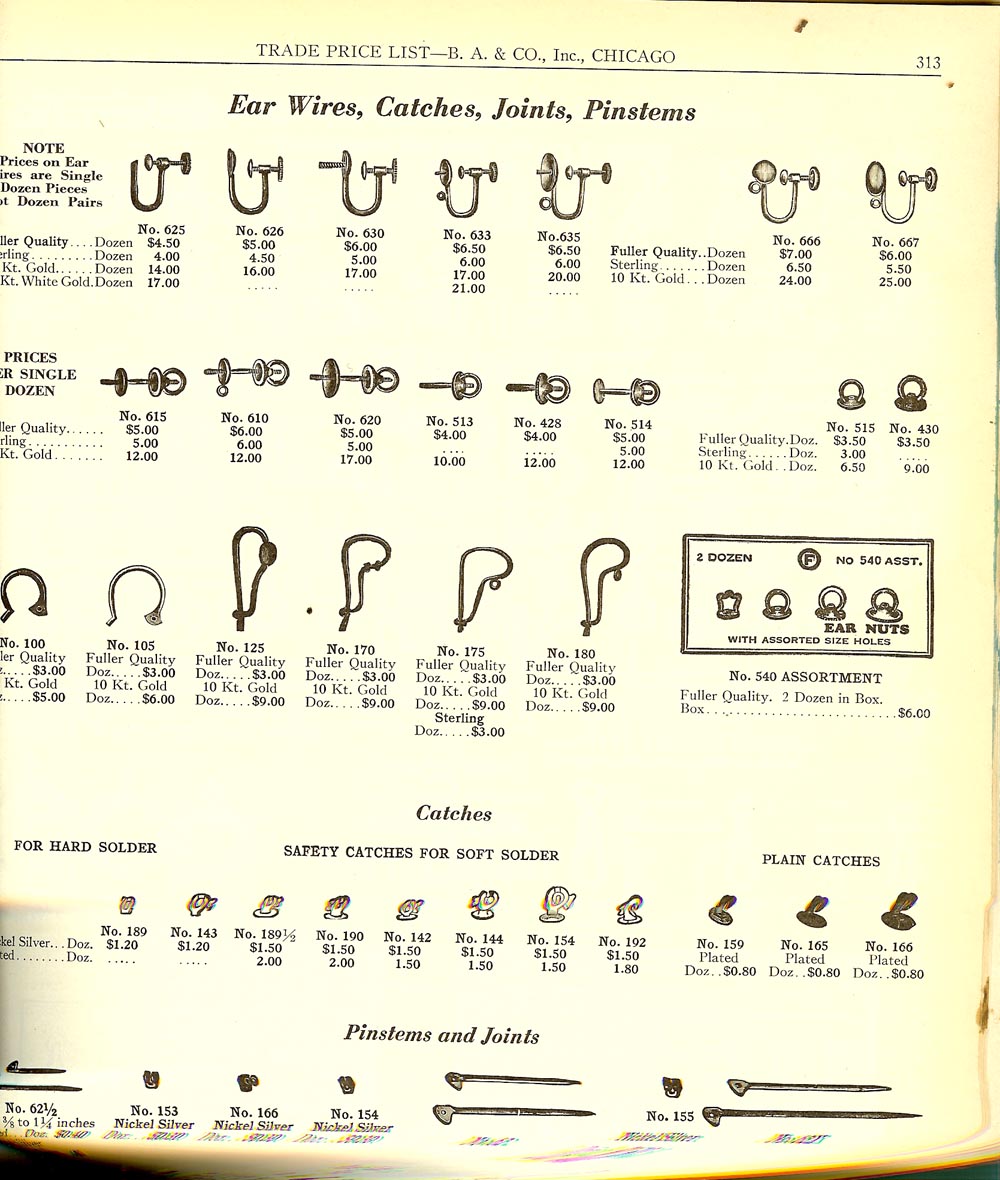
Vintage jewelry findings of the 50s, including safety catches, pin stems and |
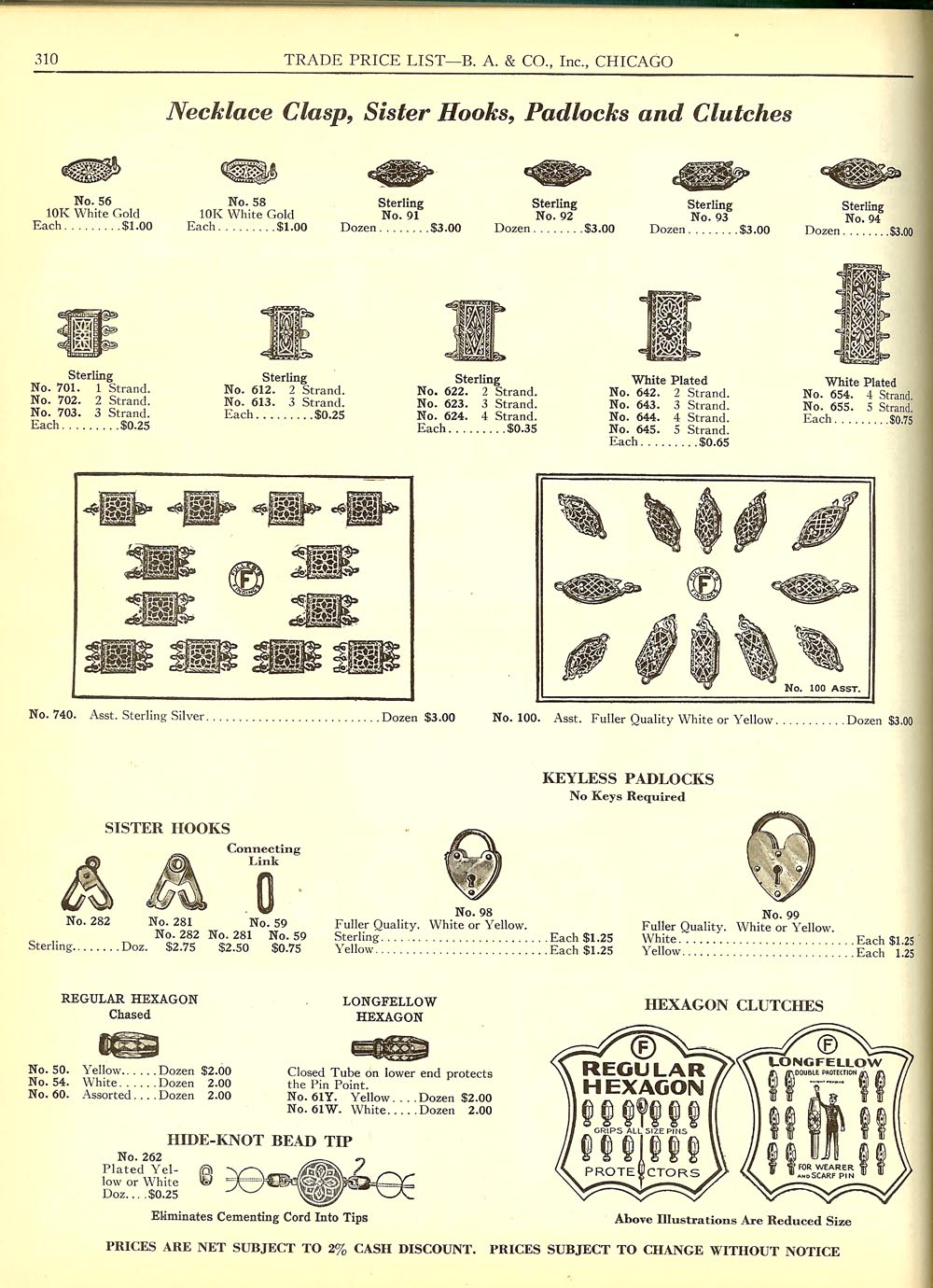
Vintage jewelry findings including keyless padlocks, sister hooks, |
|
|
|
|
|
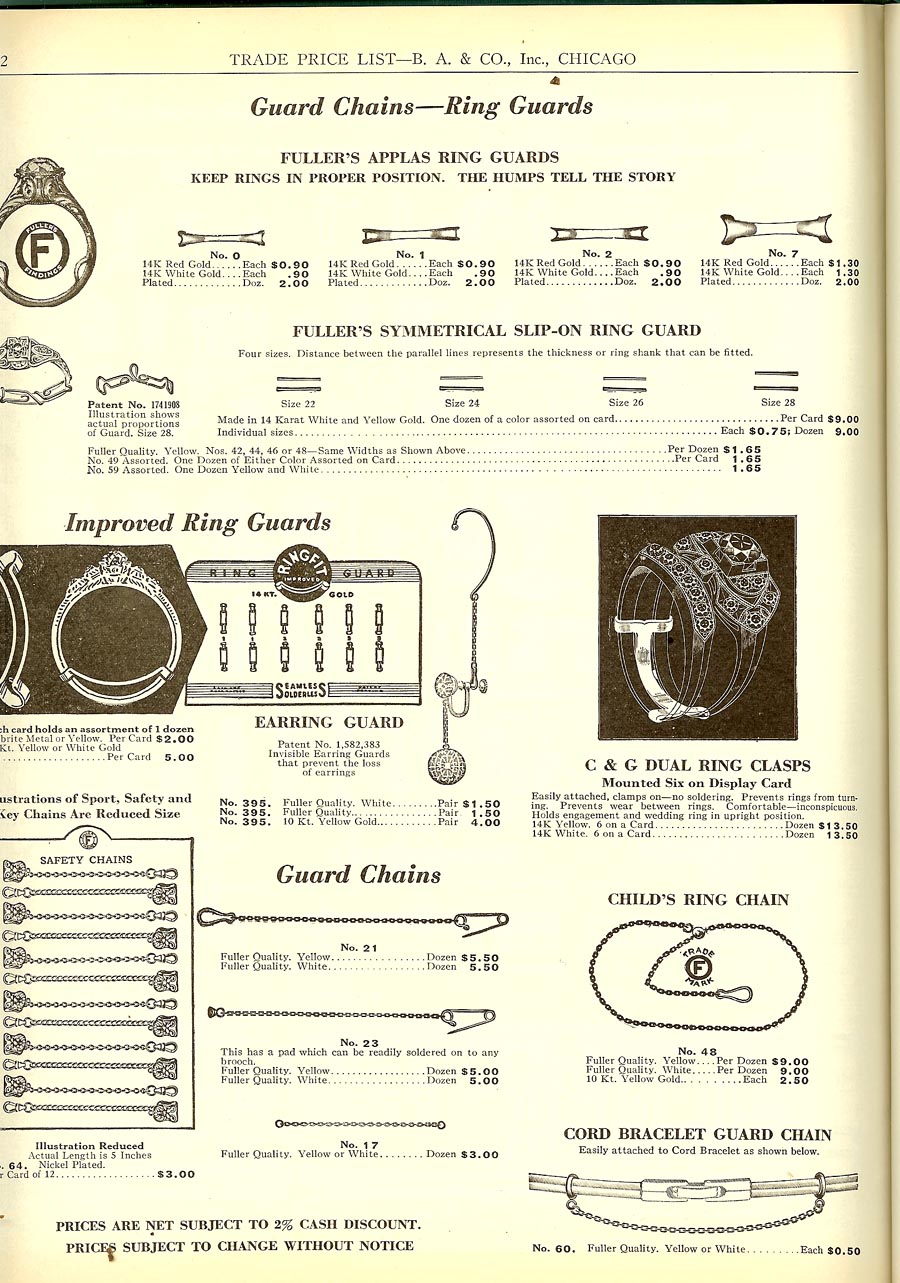
Vintage 1950s jewelry findings including guard chains and ring guards. Dual ring |
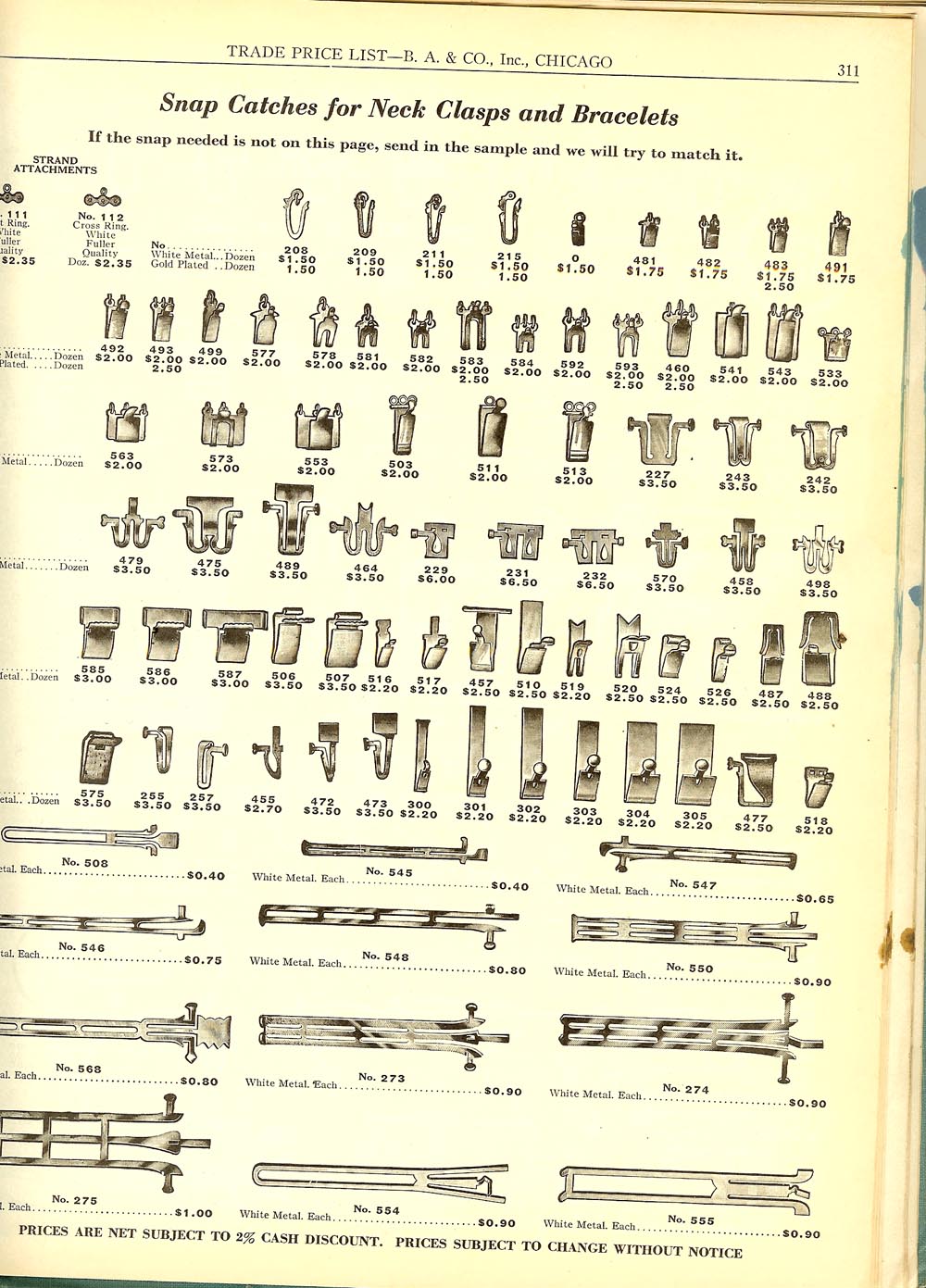
Vintage 1950s jewelry findings including snap catches for neck |
|
| BRACELETS |
|
|
|
|
|
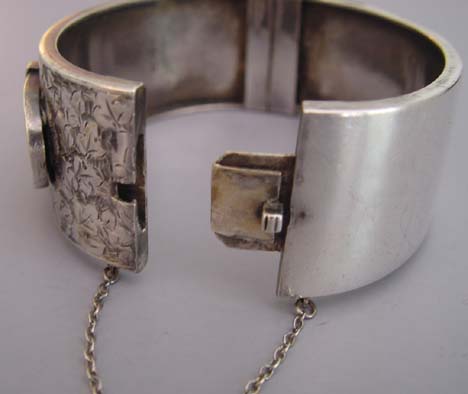
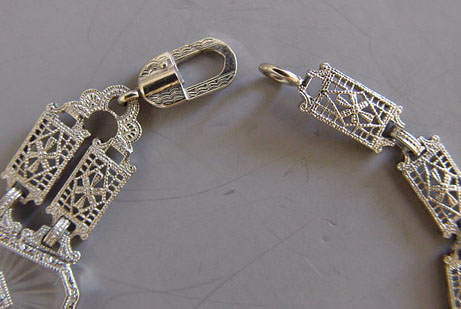
Tongue and groove catch, |
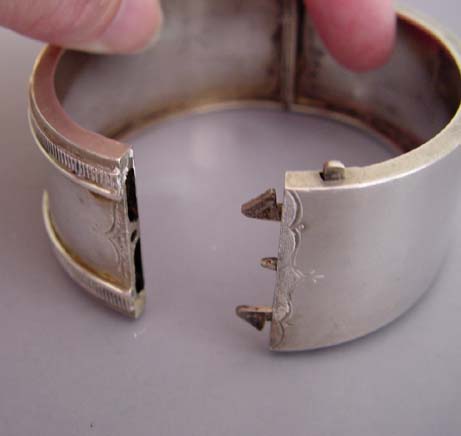
Tongue and groove catch |
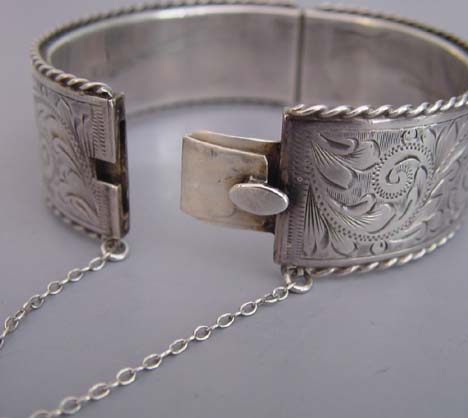
Tongue and groove catch |
 |
|
|
|
SPRING HOOK bracelet catch on a circa 1930s bracelet |
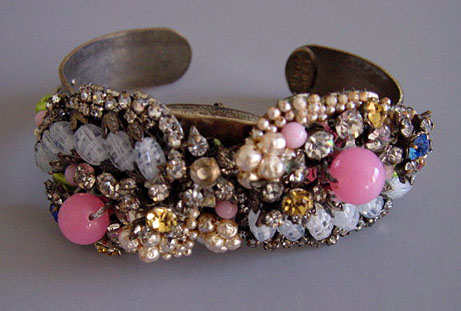
HASKELL blue and pink glass |
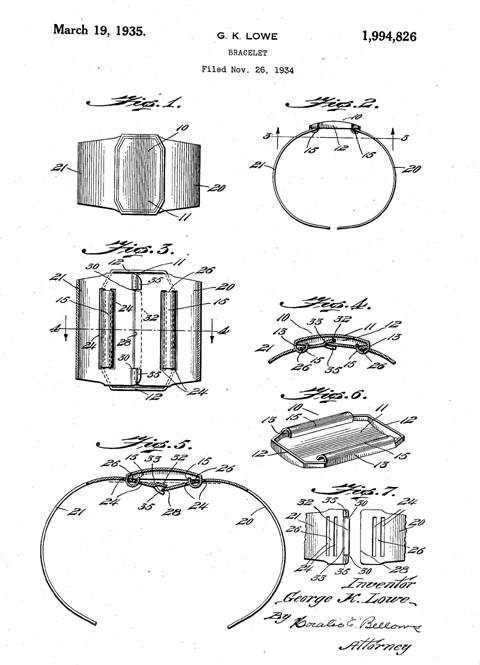
G.K. LOWE, 1935 |
| NECKLACES |
|
|
|
|
|
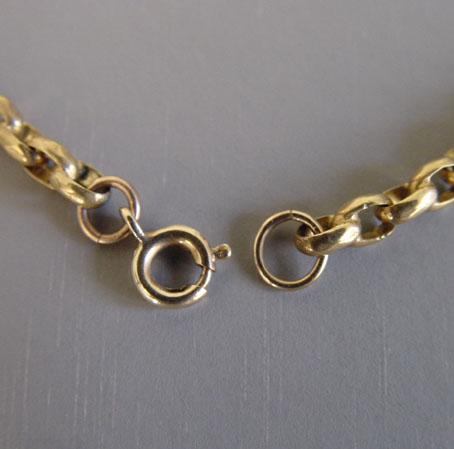
SPRING RING first |
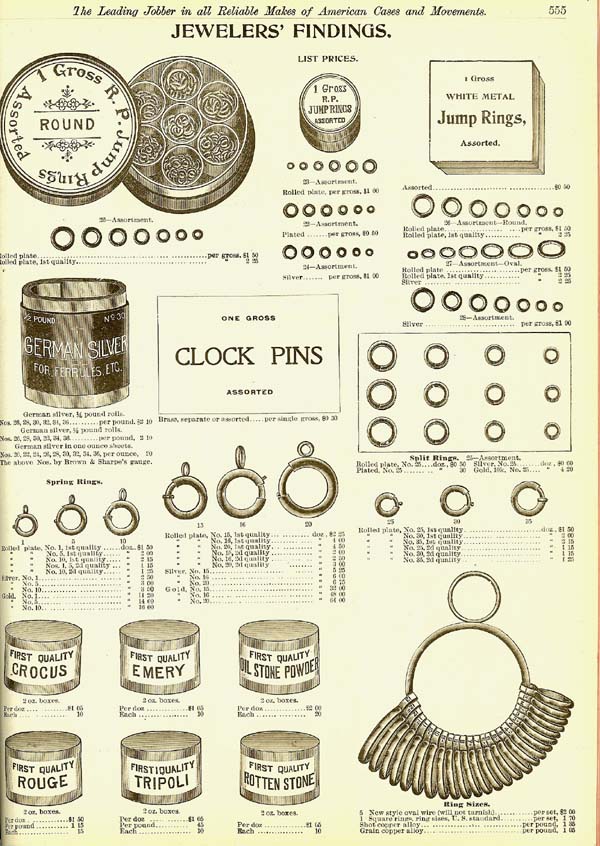
JEWELER’S findings, split rings, spring rings, jump rings. |
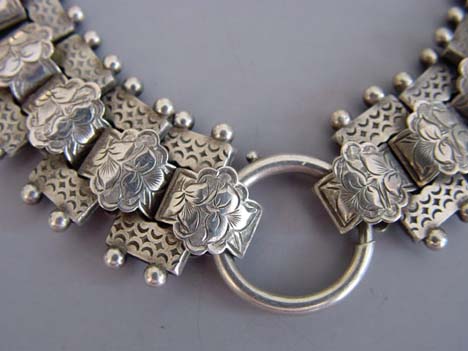
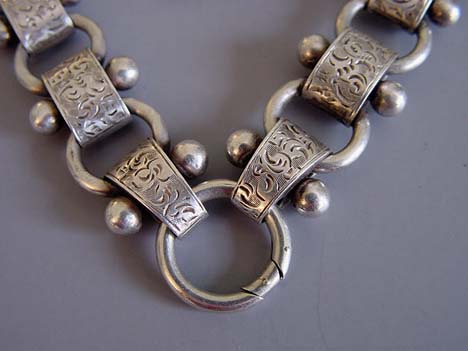
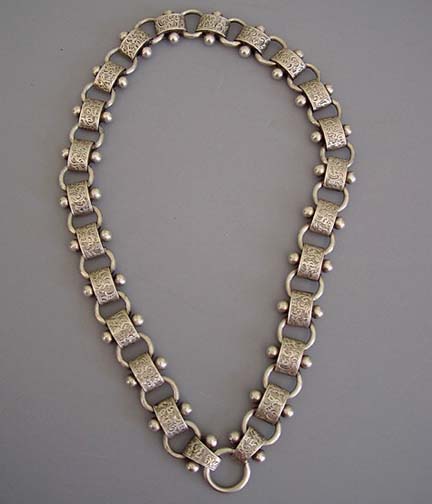
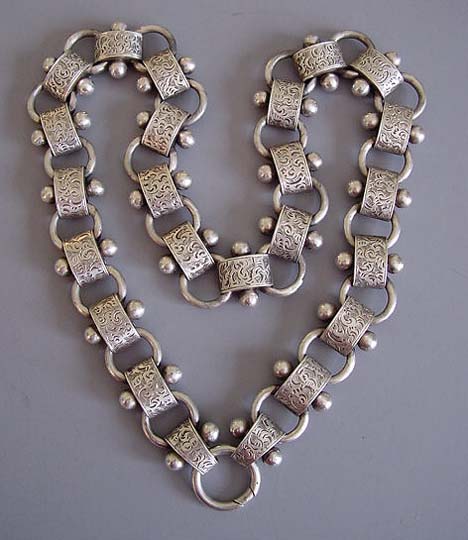
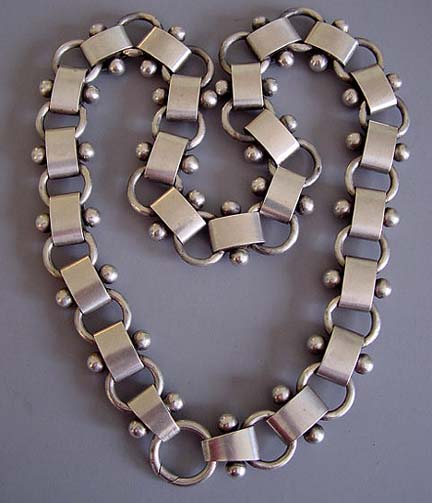
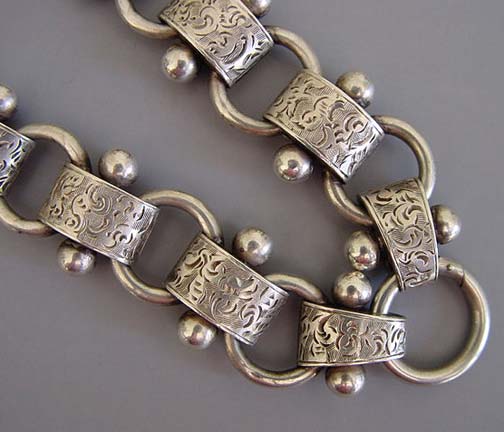
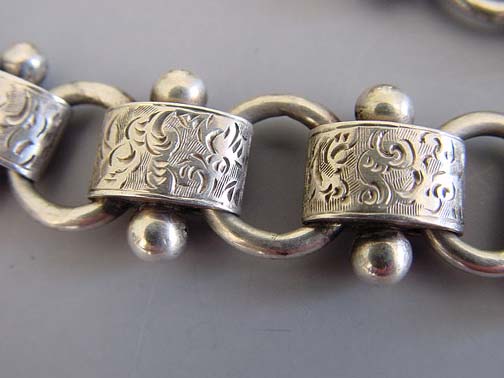
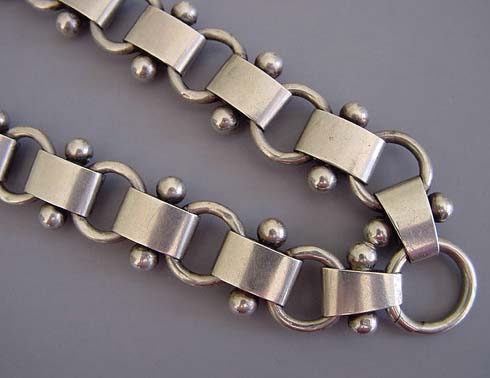
VICTORIAN silver beaded |
|
|
|
|
|
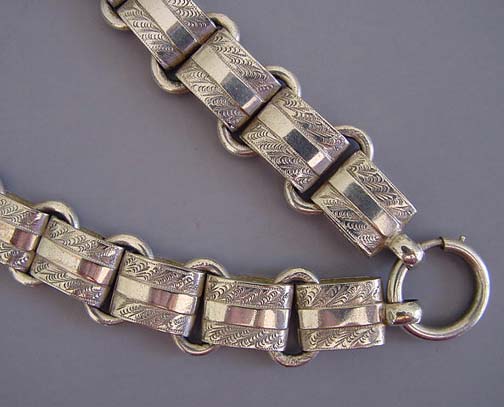
BOLT RING first used |
SPRING RING first |
SPRING RING, starting in the early 1900s. |
|
|
|
|

|
Victorian PIN & BARREL catch. |
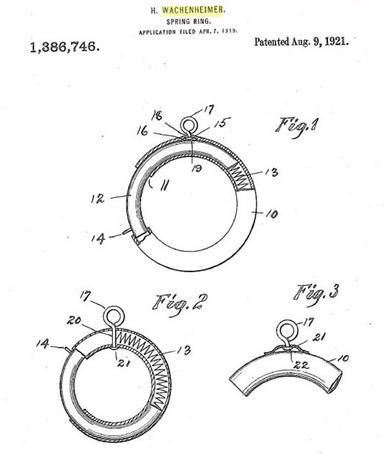
Patent 1,386.746 Wackenheimer Spring ring !921 |
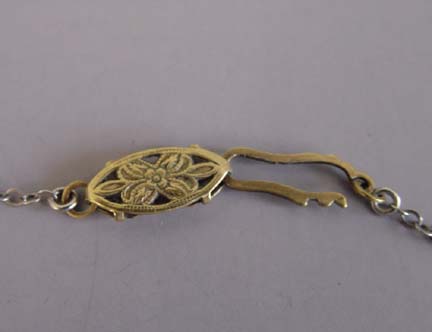
HOOK AND BOX catch for a |
|
|
|
|
|
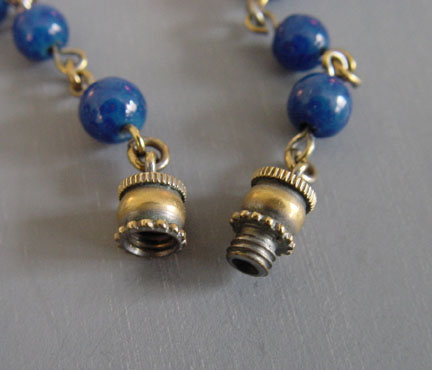
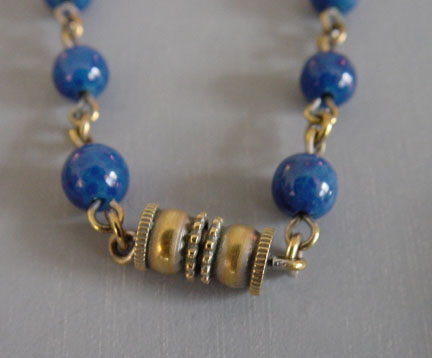
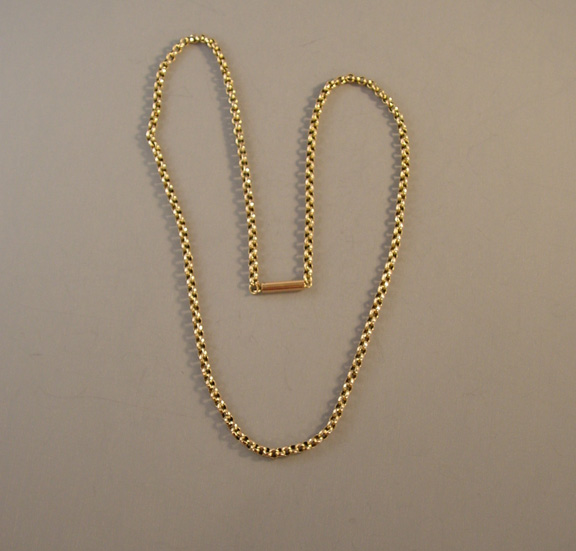
BARREL clasp |
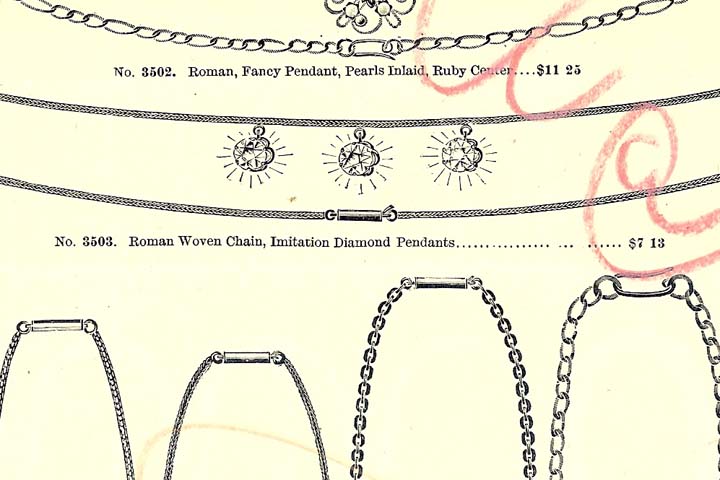
S.F. Myers & Co. Annual Illustrated Wholesale Price List, |
|
| EARRING BACKS |
|
|
|
|
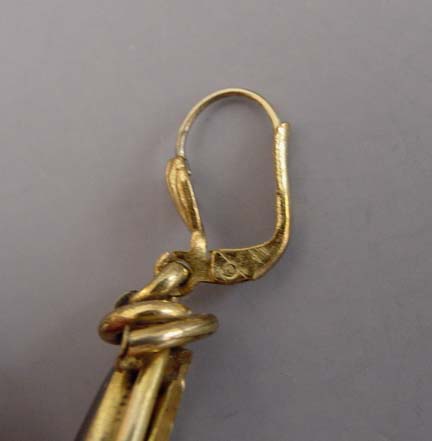
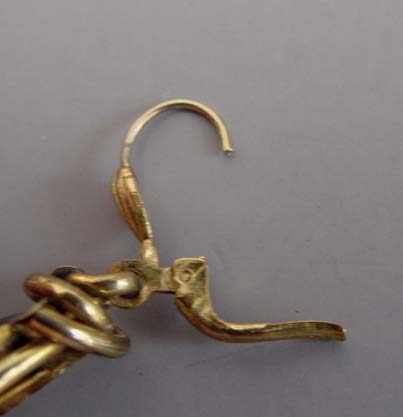
|
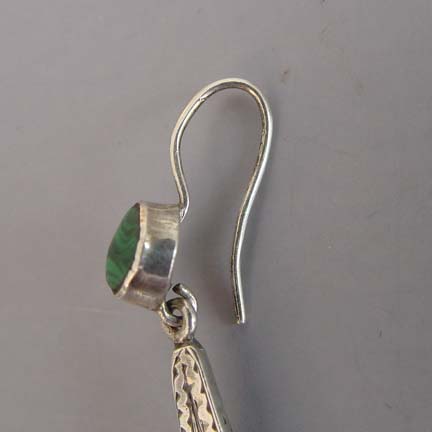
LOOP or EAR WIRES |
HINGED EAR WIRE |
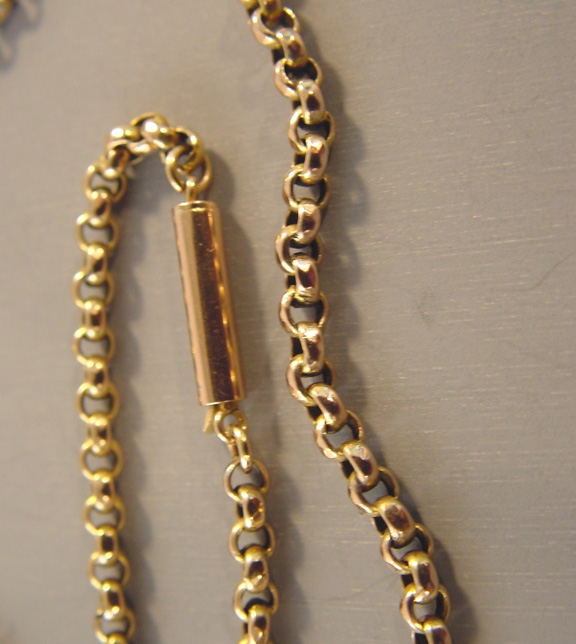
VICTORIAN 14k yellow gold |
|
|
|
|


|
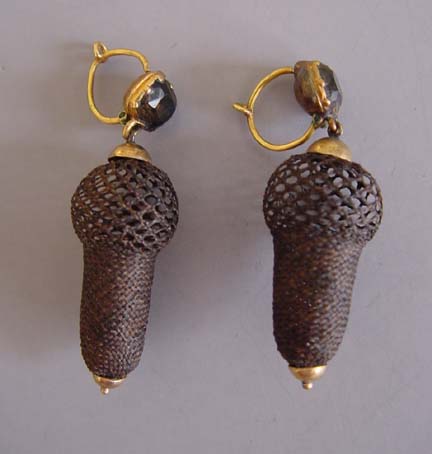
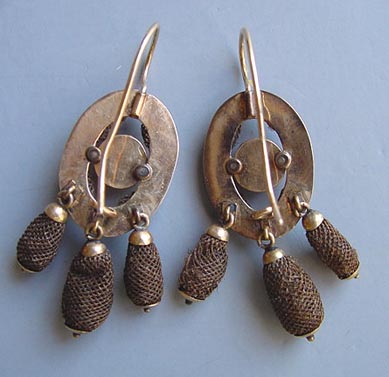
VICTORIAN hair |
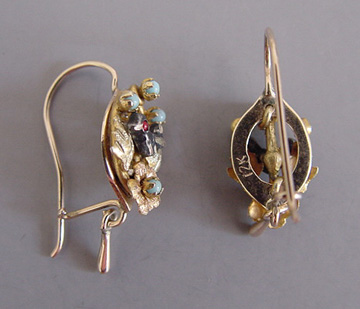
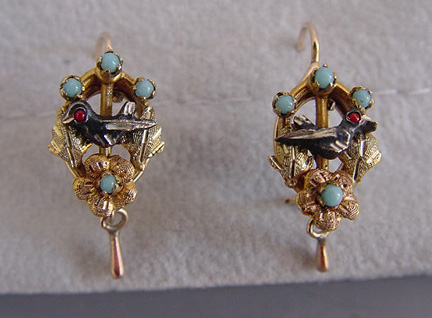
BIRD Victorian 12k and turquoise bird-motif pierced earrings with |
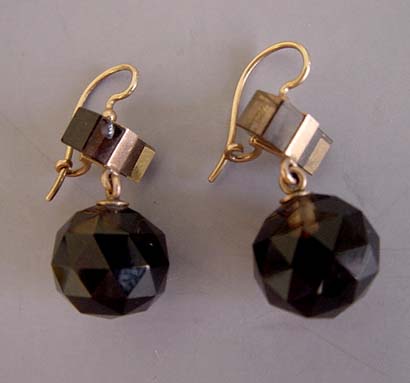
Smoky quartz earrings showing the findings. |
 |
|
|

|
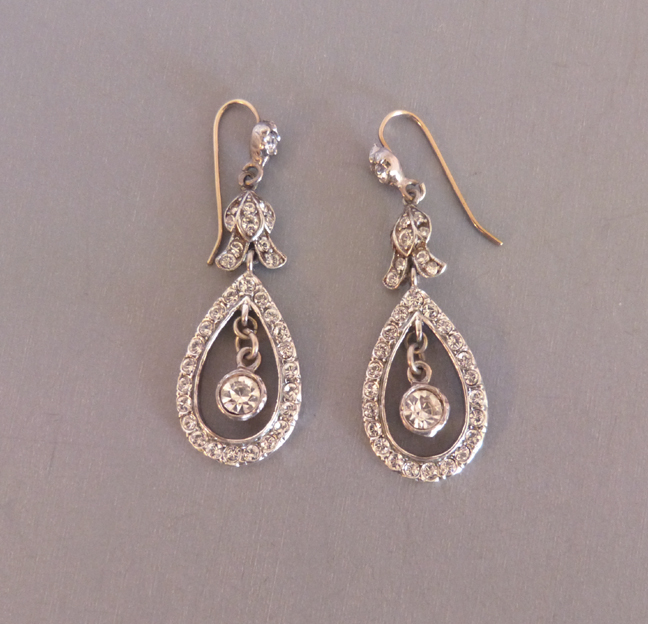
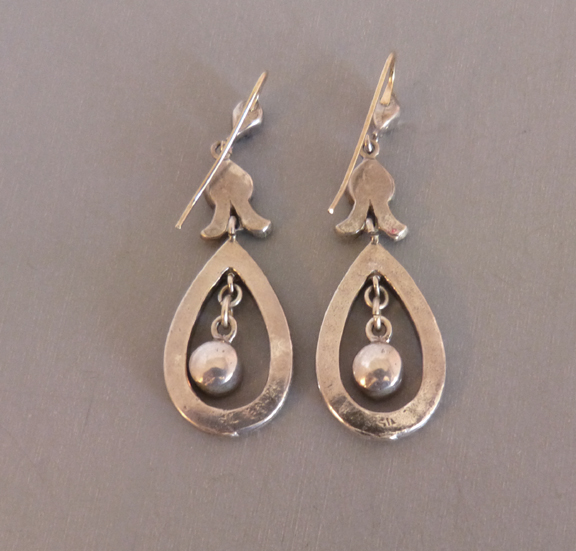
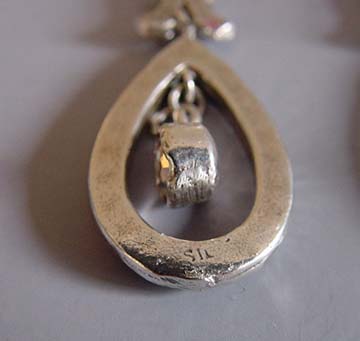
CLEAR paste dangle pierced earrings marked "sterling" silver, gold SHEPARD’S HOOK wires, 1-5/8". View View |
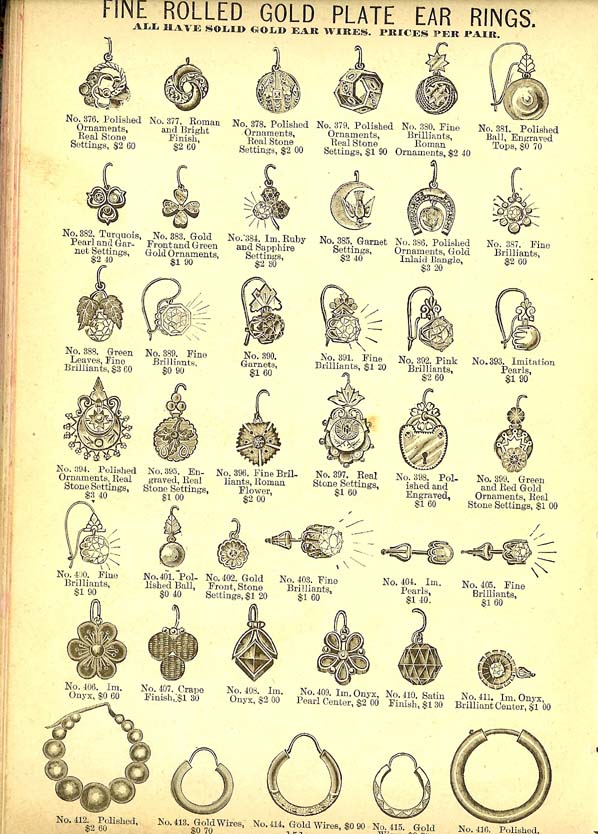
RODDIN 1888 Catalogue, earrings Roman and bright finish, polished ornaments, engraved tops, onyx, gold wires and engraved real stone settings. |
The SCREW BACK shown here was patented in |
|
|
|
|
|
Vintage jewelry findings of the 50s, including safety catches, pin stems and |
Vintage jewelry findings including keyless padlocks, sister hooks, clutches |
Vintage jewelry findings including snap catches for neck |
|
|
|
|
|
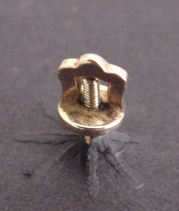
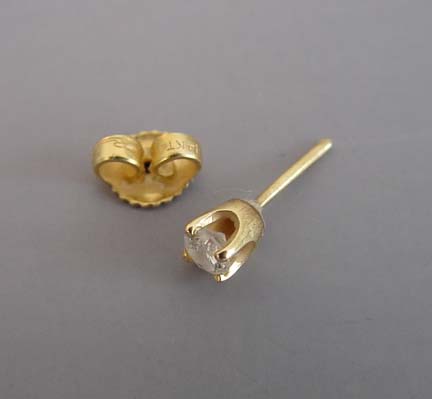
THREADED |
POST & CLUTCH circa |
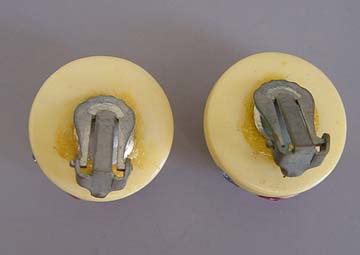
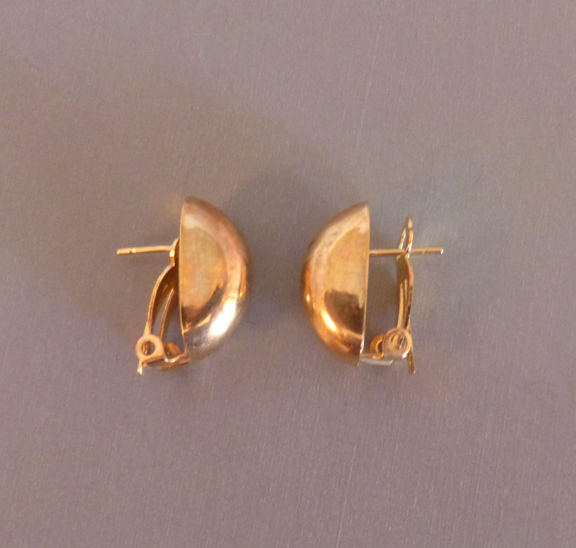
The CLIP BACK mechanism for earrings was |
|
|
|
|
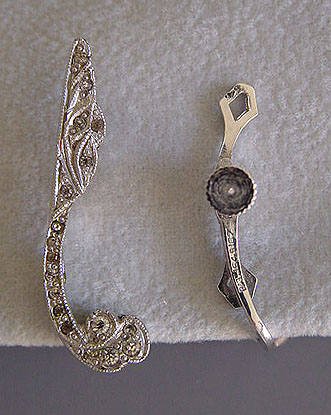
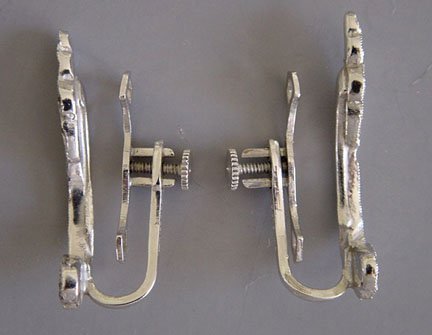
|
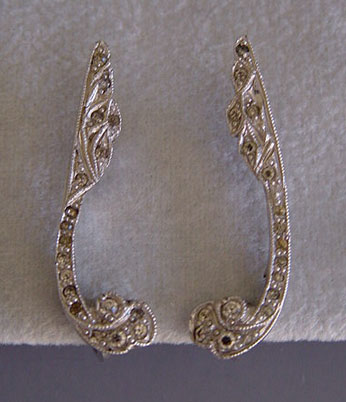
EARRINGS marked |
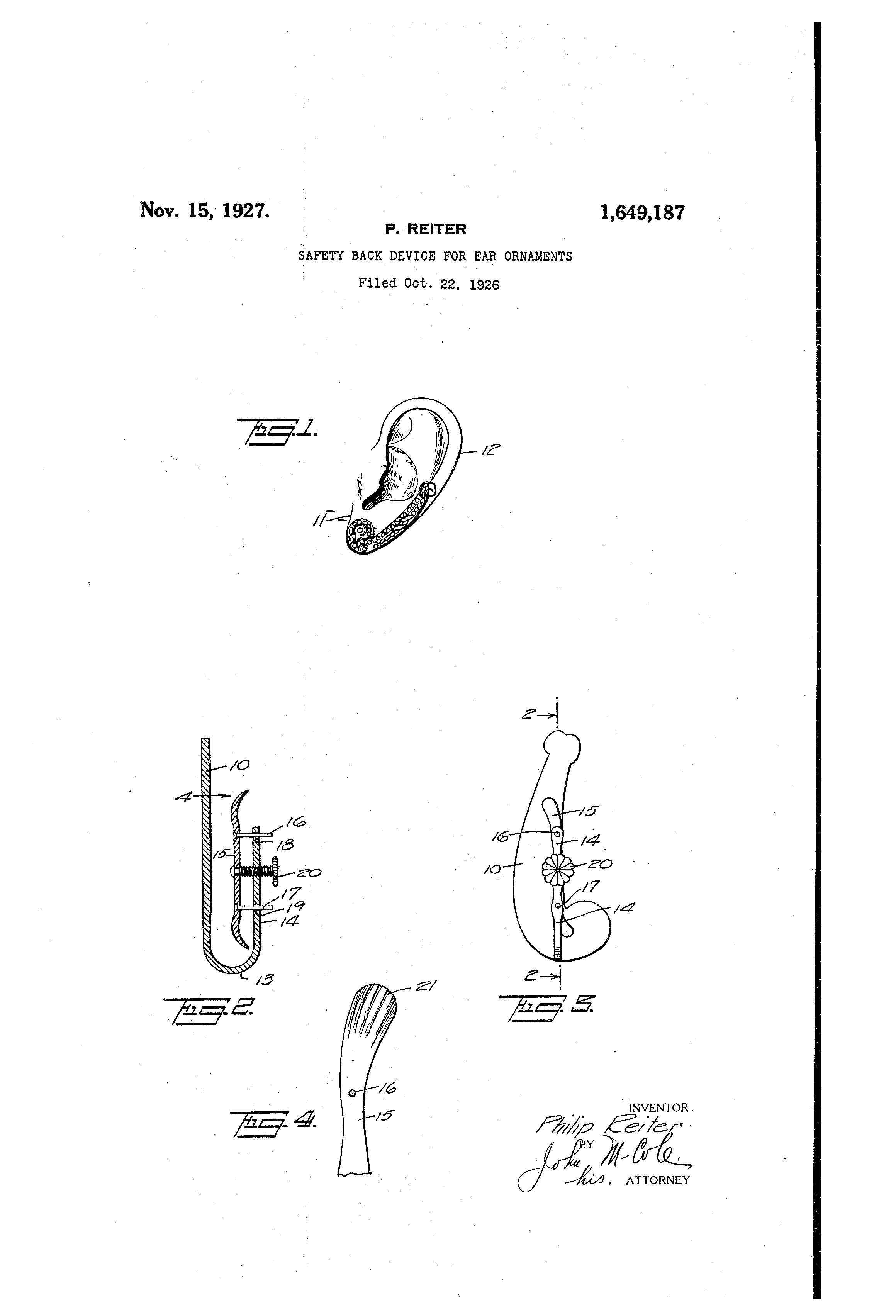
Safety back device for ear ornaments, 1927 |
|
|
|
|
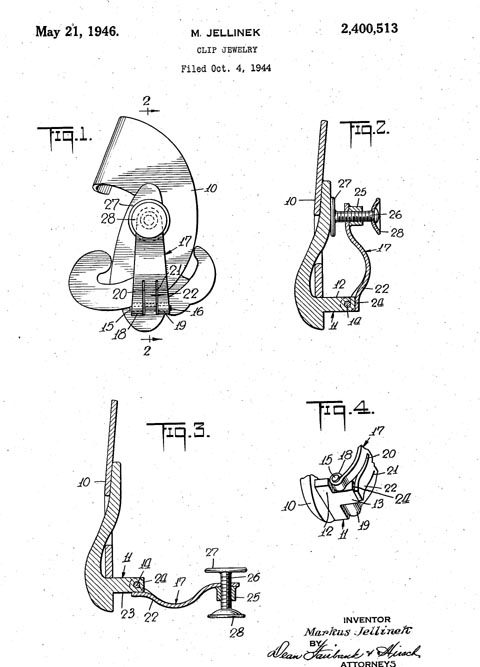
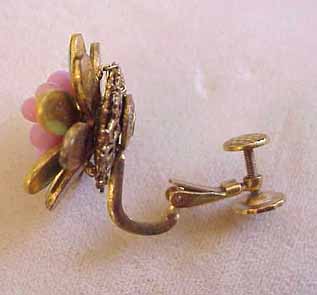
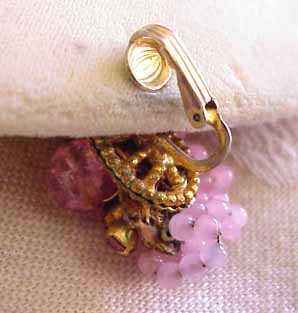
|
M. JELLINEK, 1946 |
Screw back |
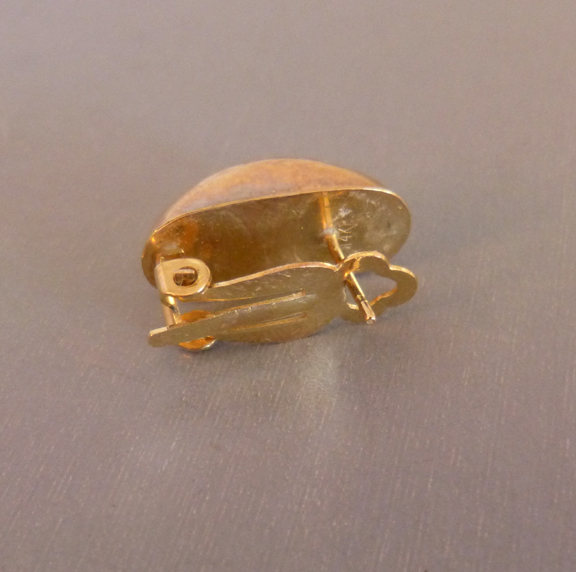
French earring clip In the 1940’s the switch was made to the "French clip", the |
|
|
|
|
|
Side |
| CLIP STYLES |
|
|
|
|
|
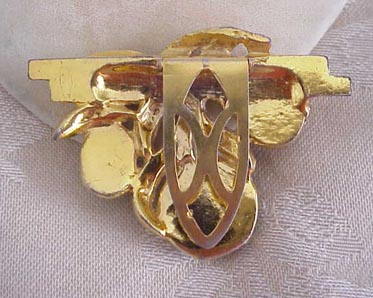
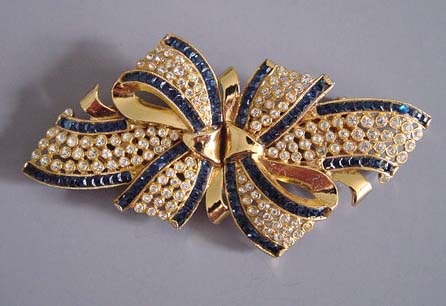
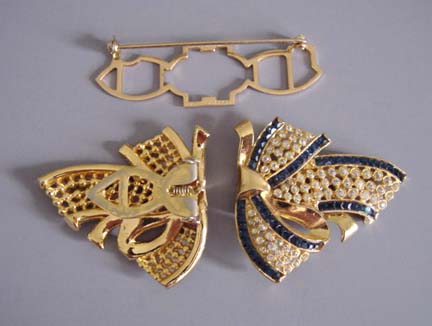
|
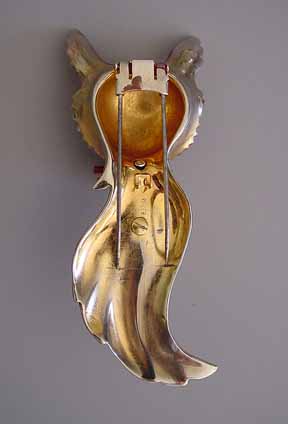
TWO-pronged FUR CLIP |
BACK of a DRESS CLIP circa 1930-40. |
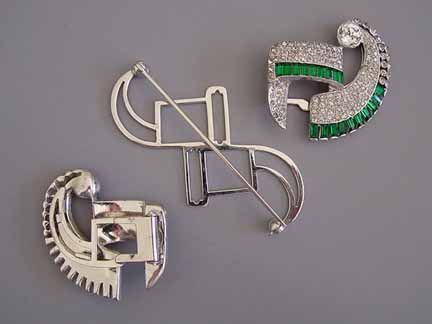
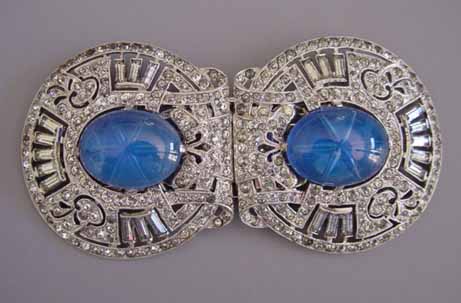
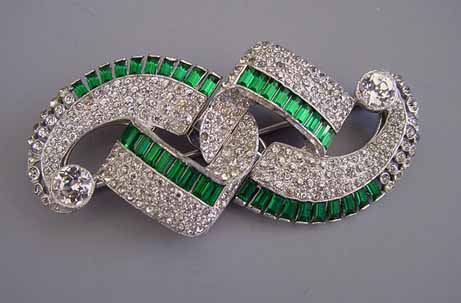
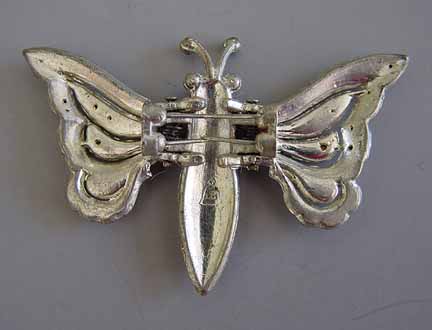
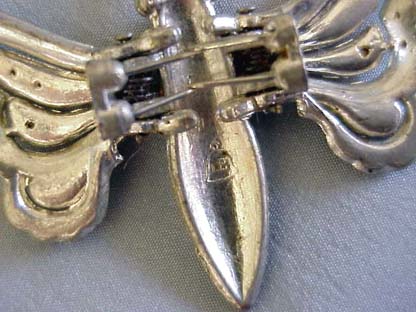
COROCRAFT DUETTE bow brooch that converts to two dress clips. "Duette" is a Coro trademark, and describes two fur clips that can be worn separately or attached to a pin backing. |
|
|
|
|
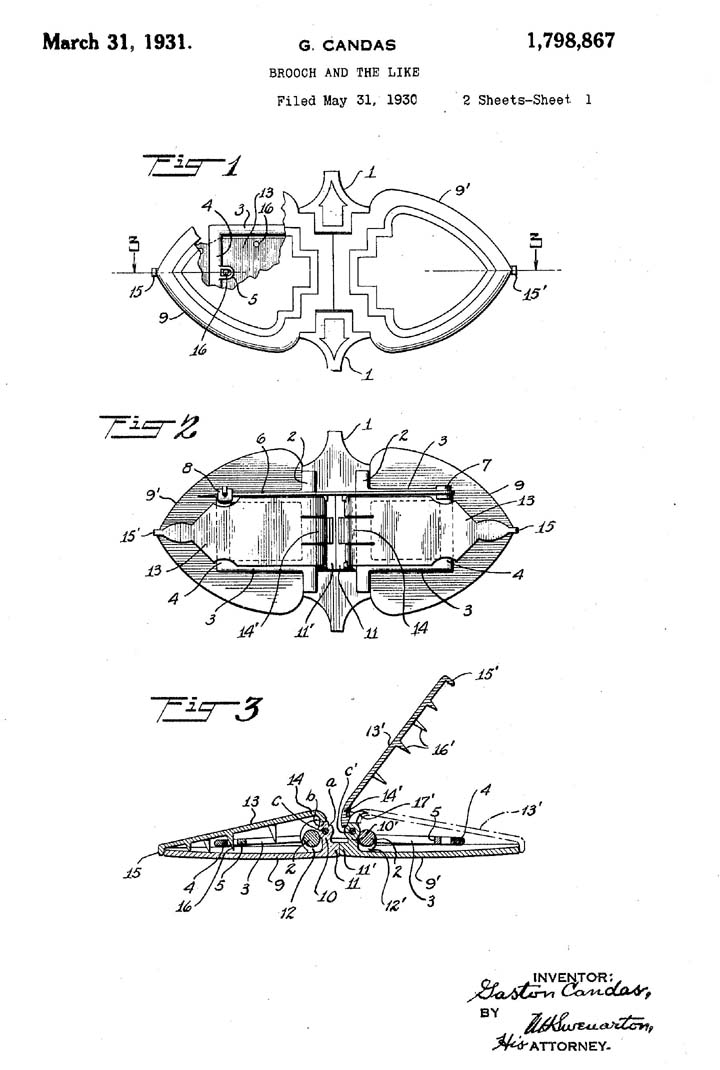
|
CORO Duette large blue faux star |
G. CANDAS, 1930 |
CORO Duette clear rhinestones and |
|
Cartier patented a mechanism for double brooches in about 1927, and Coro
|
|
|
|
|
|
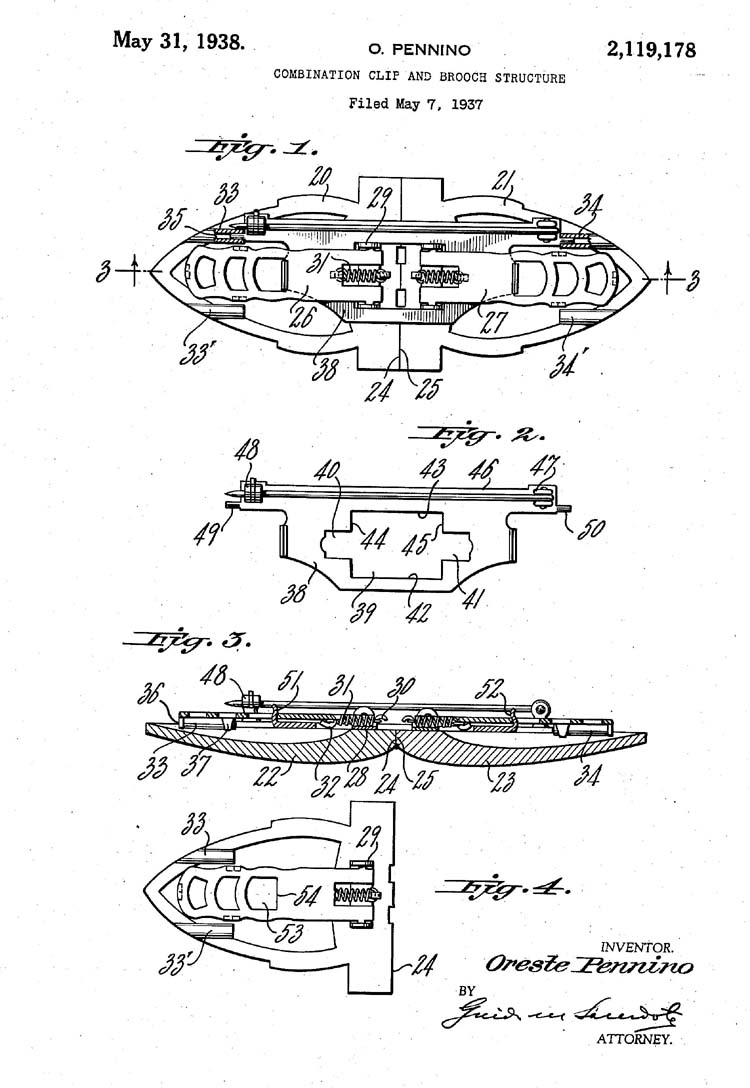
E. PENNINO, 1937 |
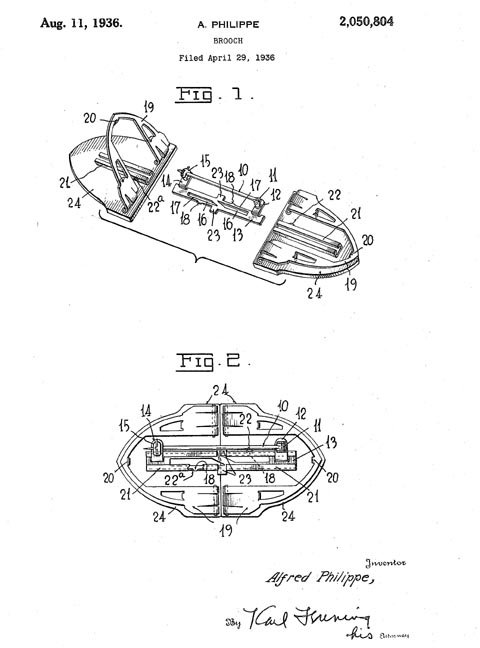
A. PHILIPPE (TRIFARI), 1936 |
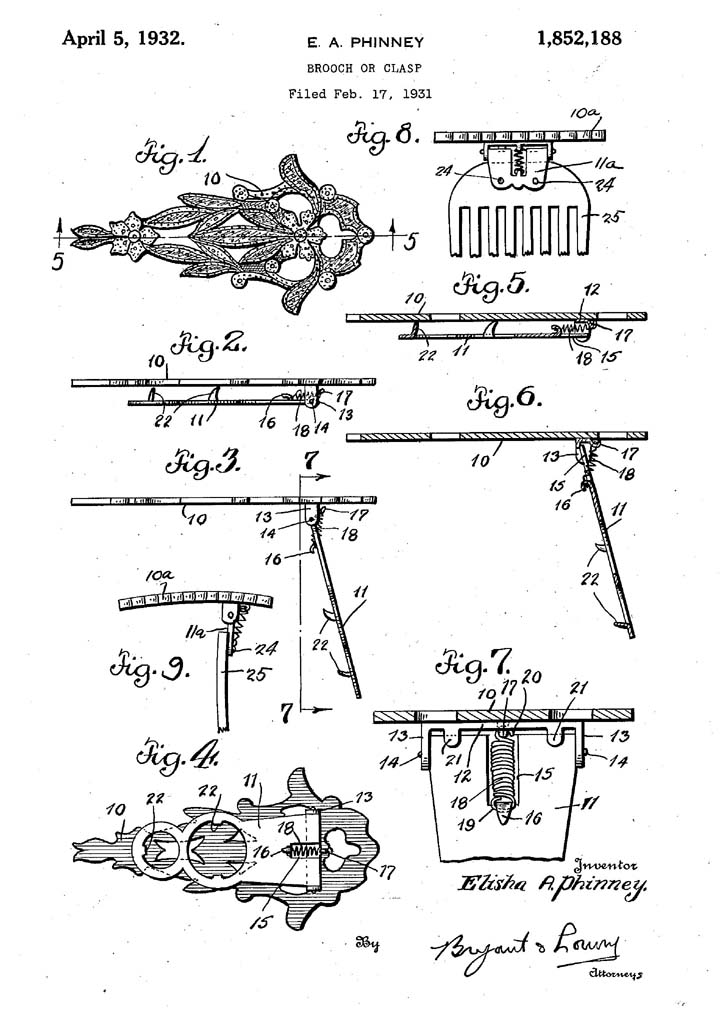
E.A. PHINNEY, 1931 |
|
|
|
|
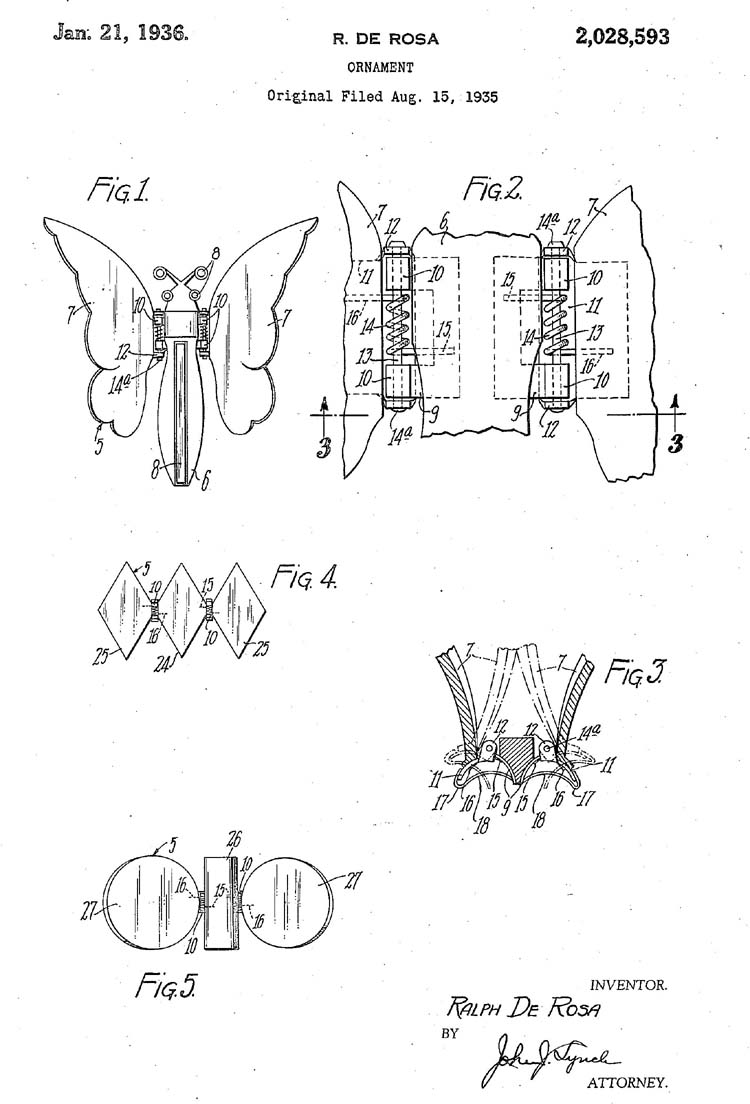

|
R. DeROSA, 1935 |
BUTTERFLY pin… |
|
| MISCELLANEOUS |
|
|
|
|
|
|
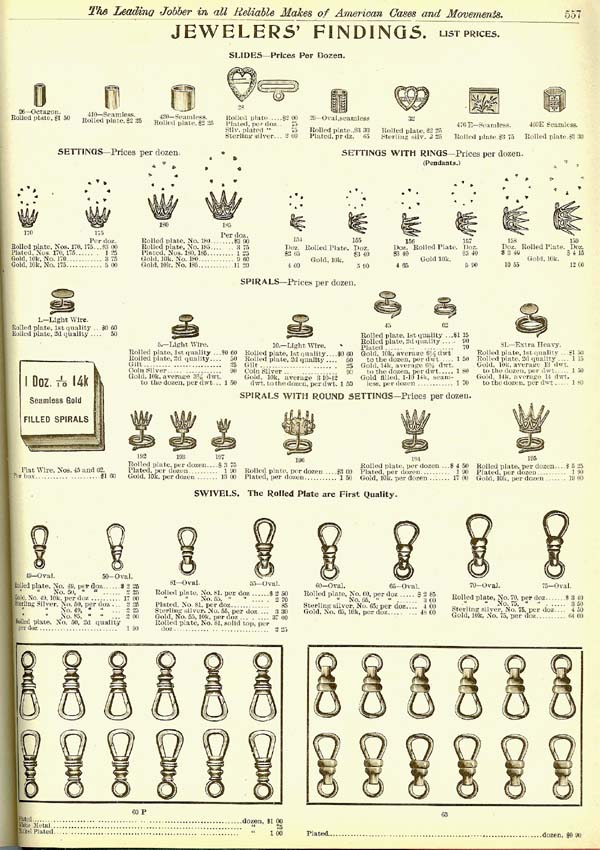
JEWELER’S findings, slides, spirals, swivels, hooks, settings. |
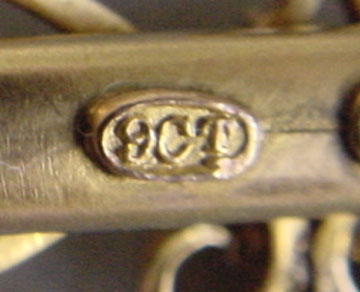
BRITISH 9 carat gold mark |
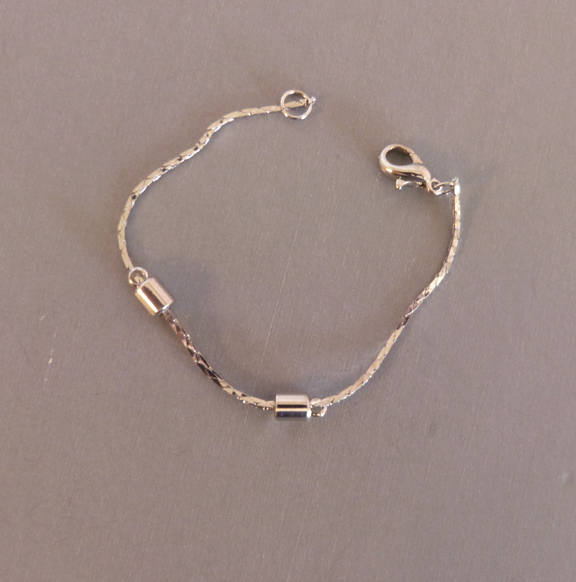
| CONTEMPORARY EXTENDERS |
|
|
|
|
|
|

|